TikTok Shop FBT Is Not a Growth Hack: Calculate Fulfillment Profit First
FBT incentives and faster fulfillment are compelling, but they are not a shortcut to growth. Turnover, returns, storage, and unit contribution decide whether a SKU belongs in FBT.

Sarah Kim
Author
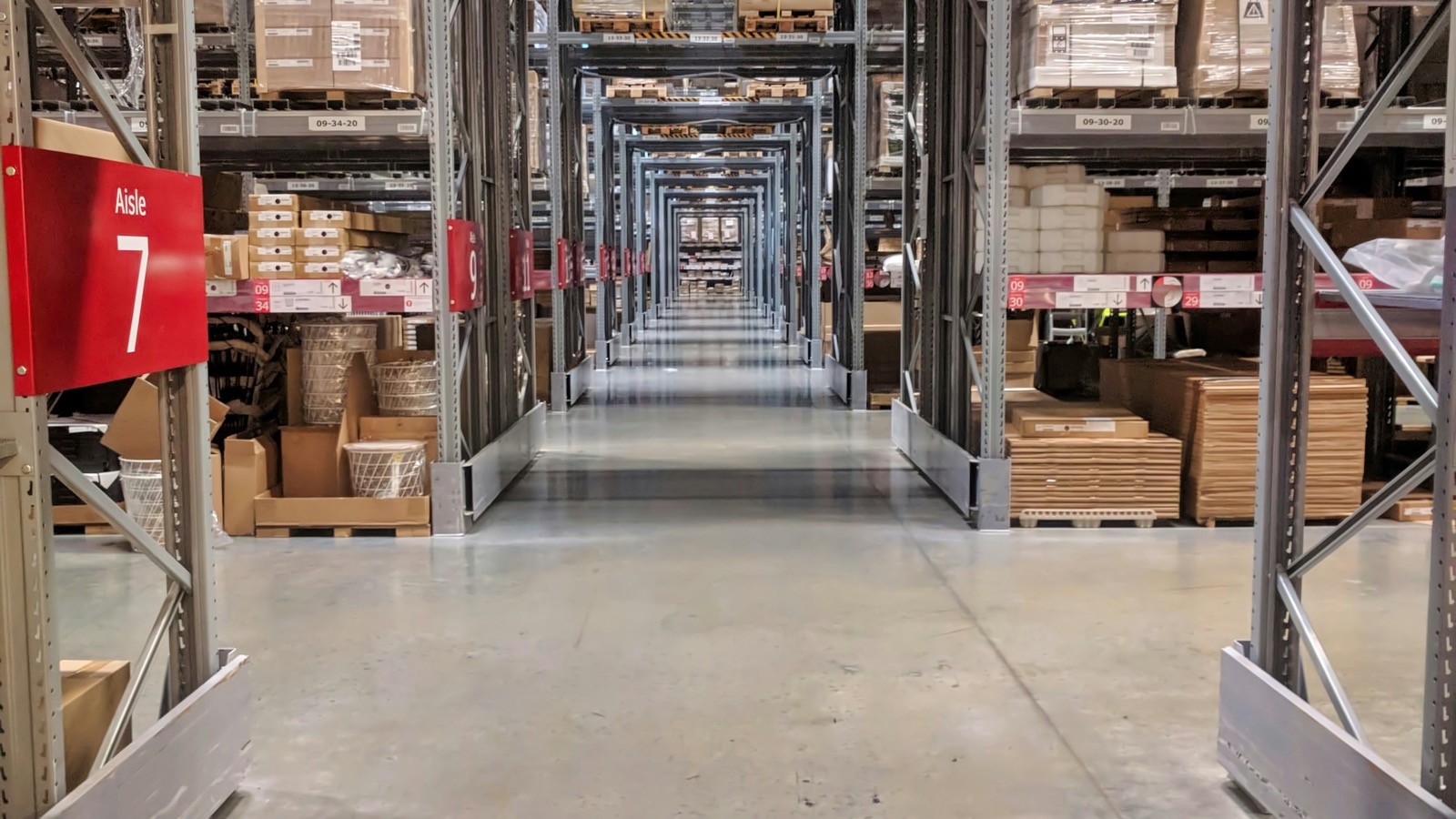
Before every peak season, FBT starts to look especially attractive.
Faster fulfillment, less warehouse pressure, and potential fee incentives make the conclusion feel obvious: send inventory into FBT and grow order volume.
For a TikTok Shop seller, though, FBT is never a simple “more orders are better” button. It is an operating choice. You trade cash for inventory, inventory for fulfillment certainty, and that certainty for profit.
If a product does not have enough margin to begin with, FBT can simply make losses happen faster. If inventory does not turn, short-term fulfillment convenience can become long-term storage and cash-flow pressure.
As of August 2026, TikTok Shop's 2026 FBT Incentive Program runs through the end of September and offers qualifying sellers a reimbursement on eligible incremental FBT fulfillment fees. That is useful context, but it should not be the starting point for an inbound decision. Start with a simpler question instead: how much does this SKU really contribute when one more unit sells?
Forget GMV for a Moment. Look at What Each Unit Keeps.
GMV is easy to celebrate: it is visible, fast-moving, and easy to report. It cannot tell you whether FBT is worth using.
Start with a deliberately simple model:
Unit contribution = collected revenue - product cost - platform and fulfillment fees - acquisition cost - return loss - inventory cost
The goal is not perfect precision on day one. The goal is to stop omitting the last two terms.
Ads, discounts, and creator commissions can make a sale more expensive than it appears. Returns can add reverse logistics, refunds, and unsellable product. Inventory consumes cash and, when it turns slowly, creates storage and clearance pressure.
FBT can improve fulfillment. It does not automatically fix a low-margin product, a high return rate, or an incorrect price.
A simplified example makes the point. Imagine a $29.99 SKU with $9 in product and pre-warehouse cost, $7 in combined platform, payment, and FBT-related fulfillment cost, and $6 in average advertising and creator commission. At first glance, the order appears to leave almost $8 behind.
That changes quickly if one in ten orders is returned, some returns cannot be sold again, and the team has sent more inventory into the warehouse than actual demand requires. The real contribution can be much lower than $8. In contrast, a SKU with few returns, steady daily sales, and expensive or labor-intensive self-fulfillment can gain more than a fee difference from FBT: it can gain the conversion and customer-trust benefits of reliable delivery.
This is not a fixed rate card or a profit promise. It is a reminder not to substitute “selling price minus product cost” for a full unit calculation. Put the actual settlement lines, refunds, and unsellable-return loss into the model. The result often changes the inbound decision.
The Best FBT SKUs Are Predictable Ones
The strongest FBT candidates are not always the newest viral products. They are products already proven to have stable specifications, standardized packaging, repeatable sales, and predictable returns.
Their shared advantage is forecastability. The team can use recent sales velocity to plan replenishment and can react before stock reaches an unsafe level. TikTok Shop's inventory and dispatch preparation guidance likewise recommends using 30-day sales data for restock planning and enabling low-stock alerts.
Products with broad size variation, high breakage risk, highly seasonal demand, or inventory shared tightly across several channels are different. They are not automatically unsuitable for FBT, but they call for smaller initial inbound quantities and a clearer exit decision.
Different Product Stages Need Different Inbound Speeds
Viral products, evergreen products, and seasonal products are often managed with the same instinct—send in more inventory. They carry very different risks.
An emerging viral product needs restraint. Sales created by a creator or a short video can surge for several days and disappear just as quickly. At that point, the important question is whether repeat demand, returns, and content momentum can hold, not whether a one- or two-day peak can be projected across a month. A small inbound batch can support the growth without turning one forecasting error into stranded inventory.
An evergreen SKU is a stronger FBT candidate. Its demand curve is smoother, which makes safety stock and reorder points easier to set. For this type of product, fulfillment reliability can become part of the product's competitive advantage: one fewer delay, cancellation, or stockout may matter more over time than a small saving on a single order.
The hardest part of a seasonal SKU is its exit, not its entry. A limited test before peak demand can make sense, but the team should know how it will clear inventory when interest drops. Without an off-platform channel, bundling plan, promotion, or liquidation path, excess inbound inventory can turn a promising forecast into months of storage and cash-flow pressure.
Inbound quantity should therefore reflect more than how quickly an item sells today. It should reflect the team's confidence in the next replenishment cycle, returns, and exit path. The easier inventory converts back into cash, the more FBT behaves like a growth capability; the harder that conversion becomes, the more it resembles financial risk.
An Incentive Reduces Part of a Cost, Not the Business Risk
An incentive creates an understandable temptation: if fulfillment fees are reimbursed, ship in as much as possible.
The reimbursement applies to certain eligible fulfillment fees. Inbound, storage, exception handling, value-added services, returns, and the ads or promotions needed to create volume do not disappear. TikTok Shop's program terms explicitly distinguish reimbursable fulfillment fees from fees outside the scope.
That makes an incentive a margin buffer, not margin itself. It can make a healthy SKU stronger. It rarely rescues a product with broken unit economics.
The Real Value of FBT Is Growth Without Firefighting
With self-fulfillment, a sudden traffic spike often creates warehouse firefighting: packing queues, delayed scans, missed shipments, customer-service load, and rushed decisions. The larger loss may not be one fulfillment fee; it may be the cancellations, poor reviews, and weaker conversion that follow a bad delivery experience.
For a proven SKU, FBT can turn fulfillment from a daily operational emergency into more dependable infrastructure. The team gets time back for content, creator partnerships, product improvements, and retention rather than having to reduce volume when orders jump.
That stability still depends on clean inventory data. When on-hand, in-transit, and channel-available quantities disagree, FBT can magnify stockouts and oversells. Multi-store and multi-warehouse teams should let one reliable inventory source guide replenishment, not rely on disconnected decisions across several dashboards.
Treat FBT as a Small Operating Experiment
For an uncertain SKU, the sensible move is not to send the main inventory position into FBT. Start with a limited quantity of a product that has already shown demand.
After one full inventory cycle, ask three questions: did it sell at the expected pace; did the actual settlement resemble the model; and did returns or exceptions change the economics?
Scale only when the answer is yes. When it is no, finding the inventory or pricing problem early is much cheaper than discovering it after a large inbound shipment.
The right way to use FBT is not to push volume because an incentive exists. It is to use more reliable fulfillment to amplify products that have already proved they can make money. Make every unit work first; then make more units move.
Further reading: Is TikTok Shop FBT Worth It? A 2026 Fulfillment Fee, 60-Day Storage, Restock, and Profit Checklist
Want to validate this setup with a real route?
Start a free trial and test WarpTok with your own TikTok live, remote access, or cross-border workflow before upgrading.